E-FORESTER

Effective FOrest Research Electronic System Terrain Exploration Rover

Deploying autonomous robotics to protect Europe's biodiversity and uncover hidden cultural heritage.

Discover the Project

The Vision

The E-FORESTER project (Grant Agreement No. 101182985) represents a paradigm shift in environmental monitoring. Aligning with the European Green Deal and the Valletta Convention, we are bridging the gap between field biology, archaeology, and cutting-edge robotics.

Our mission is to construct an autonomous Unmanned Ground Vehicle (UGV) capable of navigating complex, GPS-denied forest environments. Equipped with AI-driven edge computing and multimodal sensor arrays, the rover acts as a continuous, non-invasive observer of our natural and cultural landscapes.
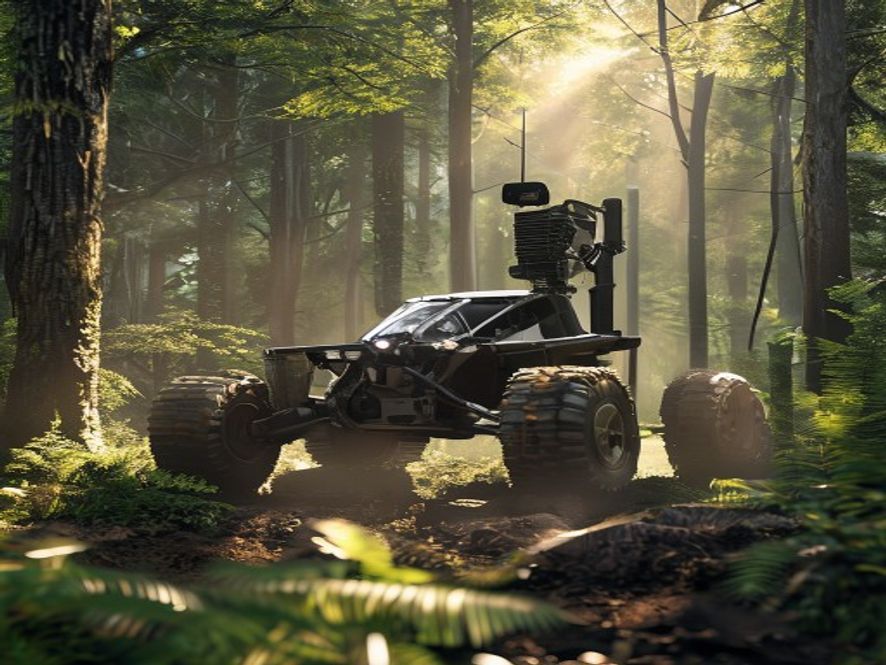
[Image Placeholder: 3D Render of E-FORESTER Rover]

Monitoring Forest Biodiversity

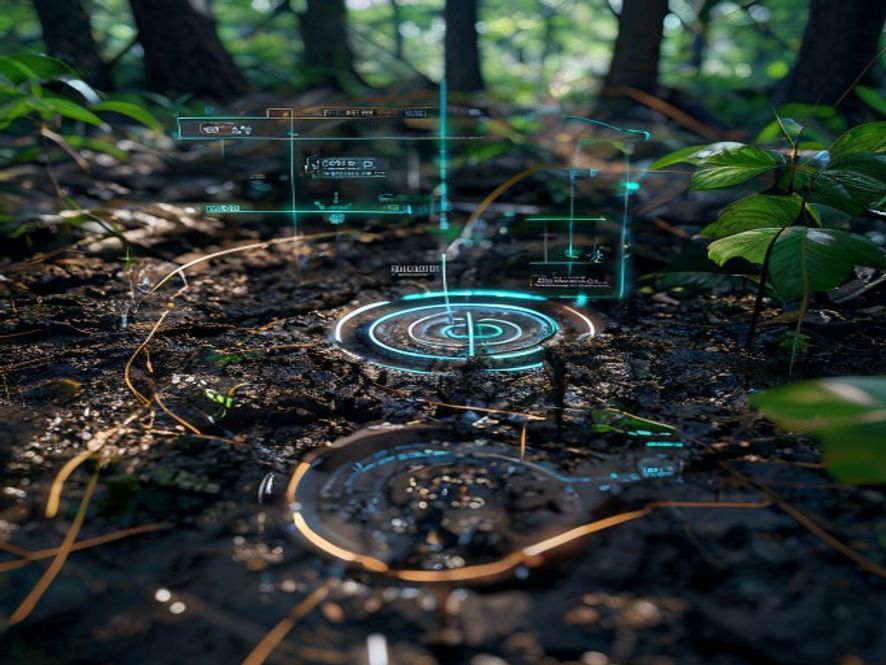
[Image Placeholder: AI Vision identifying animal tracks/flora]

Traditional biological inventory is labor-intensive and difficult to scale. E-FORESTER introduces a "human-in-the-loop" AI approach to ecological monitoring across temperate (Poland), alpine (Italy), and Mediterranean (Cyprus) ecosystems.

Tracking Fauna: Using high-resolution optical cameras and lightweight deep learning models (like YOLOv8), the rover identifies tracks, scat, and other signs of elusive medium-sized mammals (e.g., foxes, badgers) directly in the field.

Tick-Borne Disease Mapping: The rover features a robotic sampling module utilizing the flagging/dragging method. Combined with real-time microclimate sensors, it maps tick abundance to create highly accurate, dynamic epidemiological risk models.

Tree-Related Microhabitats (TreMs): By fusing LiDAR point clouds with multispectral data, the rover assesses forest health and identifies crucial microhabitats, such as tree cavities and anthills, which serve as ecological hubs.

Uncovering Cultural Heritage

Forests often conceal centuries of human activity beneath their dense canopies, rendering traditional aerial and satellite prospection ineffective. E-FORESTER utilizes a synergistic suite of geophysical tools to perform non-invasive subsurface mapping.

Geophysical Prospection: The rover payload incorporates Ground-Penetrating Radar (GPR), Time-Domain Electromagnetics (TDEM), and Magnetometry to identify buried walls, hearths, and ditches.

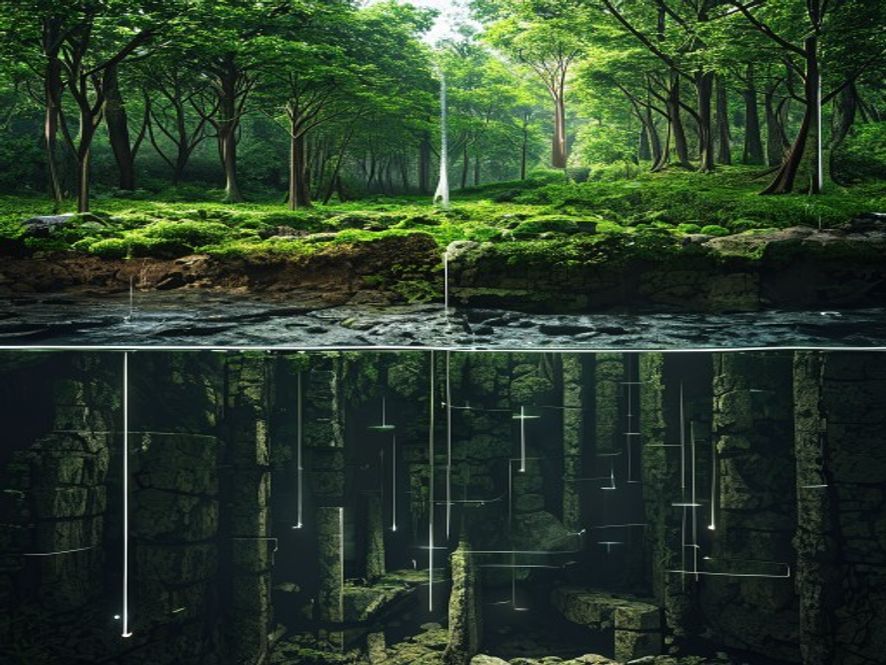
Plant Vitality as a Clue: We apply a groundbreaking interdisciplinary approach. Subsurface ruins alter local soil moisture and chemistry. By utilizing multispectral imaging, the rover detects "cropmarks" and subtle physiological stress in the forest undergrowth, using the plants themselves as indicators of buried archaeological relics.

[Image Placeholder: Split view of forest floor & underground ruins]

The Consortium

E-FORESTER is driven by a multidisciplinary team of foresters, archaeologists, engineers, and data scientists from across Europe.

Space Systems Solutions (S3) Adam Mickiewicz University (AMU) Cyprus Space Exploration Organisation (CSEO) Poznań University of Life Sciences (PULS) University of Padova (UNIPD) S2G Technologies